Article Abstract:
A stretched canvas is one of the most popular painting materials in fine art, commercial art, and decorative design. A fabric that is stretched has a balanced combination of porosity, resilience, and consistency when dried.
This article describes what a stretched painting is, how it is made, how it differs from other painting formats, and whether or not it is objectively better depending on artistic, financial, and commemorative needs. By combining the art of material science, professional studio practice, and industry production considerations, this guide provides a more extensive and practical analysis than other top-ranking pages.
Referenced literature:
Ralph Mayer, The Artist’s Handbook of Materials and Techniques
Tate Papers – Painting Supports and Canvas Conservation
Getty Conservation Institute – Modern Canvas Supports Research
Introduction: Why Stretched Canvas Still Matters Today
Despite the rapid expansion of digital art, substrates that print, and media that are mixed, the stretched canvas is still a primary medium in fine art, decorative painting, and commercial art production. From museum exhibitions to hotel wall paintings, from student projects to large volume art manufacturing, the practice of stretched canvas has a unique position between tradition and growth.
The interest in the concept of “Stretched canvas” has continued to grow over time because artists, buyers, and suppliers have increasingly questioned the validity of the concept: Is “Stretched canvas” a more effective concept, or is it simply more familiar to us?
To address this properly, we must transcend the surface level and investigate the structure, behavior of materials, production methods, long-term performance, and use case appropriateness.
What Is a Stretched Canvas? (Technical Definition)
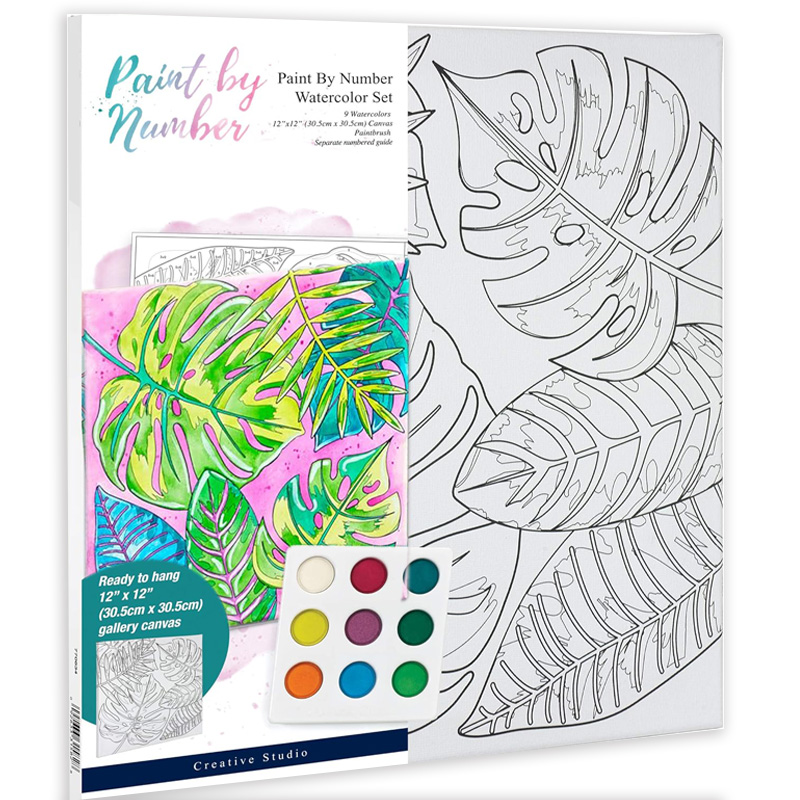
A fabric painting surface that is stretched over a wooden frame is called a stretch canvas. This surface is typically composed of cotton or linen and is tensioned over the back using staples, tacks, or adhesive.
Maintaining these traits is crucial:
- The fabric is pulled under a mechanical pressure.
- The ground is typically coated with gesso before priming.
- The frame is still perceptible only from the rear or flanking.
- The painting’s surface elevates marginally above the wall in situations where it’s hung.
Unlike rolled or canvas panels, a stretched canvas is a painting substrate that functions as a stand-alone, eliminating the need for additional support before painting.
Historical Background: Why Canvas Was Stretched in the First Place
Traditionally, canvas was employed to cover wooden panelling during the Renaissance because of its several practical benefits:
- Lower the weight of the transport.
- Lower probability of failure compared to wood
- Increased size options
- Lower price for materials
By the 17th century, artists like Rubens and Rembrandt began to utilize stretchy linen as their primary medium. Eventually, standardized stretcher systems were developed that enabled artists to consistently tension their canvases while replacing damaged fabric without taking away the frame.
This historical significance is important because the modern design of stretched canvases still adheres to these core principles, even when manufacturing methods have evolved.
Anatomy of a Stretched Canvas
Understanding the difference between stretched canvas and regular painting requires understanding how it is formed.
- Canvas material
Common supplies include:
- Cotton fabric – budget-friendly, common, and highly versatile
- Linen fabric – more durable fibers, more significant archival value
- Poly-cotton blends – increased stability in dimensions
- Synthetic fabric – specialized applications that resist moisture.
Each fabric type has a different response to humidity, tension, and the load of paint.
- Krankentragen
Stretcher bars serve as the structural support. They may include:
- Solid pine or fir trees
- Finger-joined timber for support
- MDF or wood engineered by humans (lower cost)
- Aluminum (endangered, specialty)
High-end stretchers often have cornered areas, which can be adjusted in tension over time.
- Preparation and Maintenance of the Skin’s Topography
Many paintings that are stretched on canvases are prefaced with acrylic cement to achieve:
- Fasten the fabric’s seams
- Avoid the absorption of paint
- Create a tooth that adheres
The quantity of primer coatings affects the smoothness of the surface and the capacity of the brush to absorb, both of which are affected by the quantity of primer used.
How a Stretched Canvas Is Made (Industrial and Studio Perspective)
From a business perspective, the production of stretched canvases is dependent on a standardized process that is dependent on the precision of the piece.
- Cutting fabric to the correct size
- Pre-conditioning and drying (one or multiple layers)
- Assembly of the frame and squaring
- Stretching the canvas in a controlled manner
- Tacking or stapling on the reverse
- Inspection of quality (warp, slack, surface imperfections)
In large volume production, the consistency of tension is the greatest difference between high-end and low-end products that are stretchable on a spectrum.
Stretched Canvas vs Canvas Panel vs Canvas Roll
To evaluate whether stretched canvas is better, a comparison is essential.
Table 1: Structural Comparison of Common Canvas Formats
| Feature | Stretched Canvas | Canvas Panel | Canvas Roll |
| Ready to Paint | Yes | Yes | No |
| Structural Support | Wooden frame | Rigid board | None |
| Portability | Medium | High | High |
| Long-term Stability | High (quality dependent) | Medium | User-dependent |
| Cost per Unit | Medium | Low | Low |
| Gallery Presentation | Excellent | Limited | Requires mounting |
This comparison highlights that “better” depends on context, not hierarchy.
Is Stretched Canvas Better for Artists?
- Painting Experience
Many artists choose to work on larger canvases because:
It allows for a bit of flexibility in response to brush pressure.
It is effective in responding to expressive methods.
It facilitates larger images without having to deal with excessive weight.
The subtle nature of the stretchiness of the surface can enhance the painting style, particularly in oil and acrylic art.
- Efficiency of the Workflow
A longstanding canvas diminishes the necessity of:
- Mounting
- Supporting tables
After the painting, additional framing is required.
For both professionals and students, this reduces the time needed and decreases the complexity of setup.
Is Stretched Canvas Better for Finished Artwork?
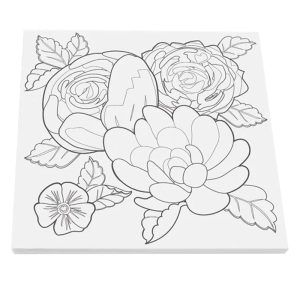
From a display perspective, stretched canvas offers:
- Clean, frameless presentation
- Depth from gallery-wrapped edges
- Easy wall mounting
However, long-term performance depends heavily on material quality and environmental conditions.
Archival and Conservation Considerations
Contrary to the common perception, it’s not necessarily easy to stretch a painting’s canvas.
Key factors that contribute to risk are:
- Hypoxic fluctuations that lead to slackening
- Acidic wooden supports for stretches
- Inappropriate preparation
- Over-tensioning
Stretched canvases that are high-end reduce these dangers through:
- Kiln-dried timber
- Acid-free measurement
- Adjustable keys that stretch
Conservation research demonstrates that durable stretched paintings can last for centuries, but indestructible ones are subject to rapid degradation.
Printed Stretched Canvas: Is It Still “Better”?
Stretched fabric is still popular because of its classic design and ready-to-shop format.
Key benefits include:
- A Gallery-style presentation that doesn’t require a frame.
- Lightweight design that is ideal for large-format prints.
- Textured surface that increases depth and artistic personality
- Compatible with pigment-based inkjet printing and ultraviolet printing.
Alternative methods, like metal prints or acrylic panels, are popular in modern art, but the practice of stretched canvas still predominates in the reproduction of fine art, home decor, and commercial projects.
Common Problems with Stretched Canvas
Despite its popularity, overstretched canvases can have issues if materials or procedures are not well defined.
- Slackening and a loss of tension
Low-quality fabric or poor stretching can cause sagging over time, which is particularly common in humid environments.
- Warped or Disappointing Frames
Inferior stretcher bars may rotate or stretch, which would lead to uneven surface tension and print misform.
- Ink Dying or Cracking
Incompatible ink systems or low coating that is insufficient to withstand the stretchiness or fading under ultraviolet light can lead to cracking or disintegration.
- Side Damage
Corners and wrapped edges are susceptible to damage during transport and handling.
Understanding these dangers helps consumers avoid purchasing low-quality products.
How to Identify a High-Quality Stretched Canvas?
A high-end stretched fabric is characterized by both selections of material and craftsmanship.
Important indicators include:
- Canvas fabric: Polyester or Cotton-based blends that have a high degree of stability in dimensions.
- Overcoating: Even, tough-resistant coating that takes up ink
- Frame design: Kiln-dried, jointed wood struts
- Tension management: Constant extension with adjustable corner options
- Print longevity: High color content and superior UV resistance
Each stage of quality assurance has a significant impact on long-term performance.
Sustainability and Material Trends
Sustainability is increasingly important in the production and acquisition of canvases.
Emerging issues include:
- The utilization of FSC-certified or environmentally friendly wood frames
- Recycled or low-power polyester fabric materials
- Water-based Inks and Low-VOC Coatings
- Reduced packaging and simplified shipping methods for flat packs
These enhancements facilitate a lower environmental impact while still maintaining quality prints.
Market Trends: Why Stretched Canvas Remains Dominant
Despite alternatives, stretched canvas persists because it:
- Aligns with artistic tradition
- Scales well in production
- Meets consumer expectations
- Offers flexible pricing tiers
Its adaptability keeps it relevant across skill levels and industries.
Final Verdict: Is Stretched Canvas Better?
Stretched canvas isn’t always considered better, but it is typically the most proportional option when considered in regards to balancing outdoors.
- Usability
- Presentation
- Efficiency in cost
- Artistic comfort
When manufactured with the proper care and placed in the appropriate environment, stretched canvas is still one of the most popular painting and display materials today.
FAQ: Stretched Canvas
- What is the purpose of a stretched piece of cloth?
Stretched fabric is employed for painting, printing, and decorative art that necessitates a display surface that is ready to be exhibited.
- Is the stretch of canvas more beneficial than a regular piece of canvas?
For visual display and professional presentation, yes. Because of its portability and low cost, the canvas board is more likely to be practical.
- Will the length of the stretched canvas be long?
A stretched canvas that is of high quality can withstand decades or centuries if crafted and stored properly.
- Can the stretchy fabric be made firmer?
Yes. Many frames have corner keys that can be deployed to tension the frame over time.
- Is stretchy fabric appropriate for beginners?
Absolutely. Its pre-made nature is ideal for both beginners and professionals.
Schlussfolgerung
A fabricated surface that is stretched is more than just a traditional art medium; it is also a carefully designed balancing of fabric, tension, and structure.
Whether or not it is superior is based on the application, quality, and intended long-term commitment. For artists, manufacturers, and consumers who want versatility, presentation quality, and efficiency in the workplace, stretched canvas is still a popular choice and has been proven.